Products
Surge Protection
Zhenghao Fuse Surge Protection series is a comprehensive suppressor and protection device that can meet the needs of industrial and residential applications in many aspects. It protects equipment from transient overvoltage damage caused by lightning, internal load switching and electrical operation, and can conduct shunts in extreme times to improve the working efficiency of equipment.
How do I know where I need to use Surge Protection?
For example, if you feel that all the power sockets in your home feel hot to the touch, it is likely that there is a problem with the wiring system.
Which of my electronic products needs Surge Protection?
Surge Protection is now very popular in various industries and is needed in many places. For example: computers, servers, switches, important household electrical and industrial control equipment, etc. all need Surge Protection. Installing Surge Protection can protect the stable operation of the equipment, so surge protectors are very important.
Key parameters
| Parameter | Typical Range | Describe |
| Rated voltage | 220V/380V(AC 50/60Hz) | Adapt to low-voltage distribution systems |
| Nominal discharge current |
Class B:20kA~100kA; Class C:10kA~40kA |
Measuring lightning resistance capability |
| Voltage protection level | ≤1.5kV(Class D) | Ensure the security of terminal devices |
As a high-quality manufacturer and supplier of surge protectors, Zhenghao Fuse produces all its products in accordance with standards and complies with international standards such as IEC, UL 1449, GB/T18802.1, etc.
Standard comparison table
| Standard type | Core Content | Typical parameters/requirements |
| IEC 61643-11 | Protection level classification (Type 1/2/3), test waveform specification (10/350 μ s, 8/20 μ s) | Type 1 I max ≥ 100kA, Type 2 In ≥ 20kA |
| GB/T 18802.1-2011 | Voltage protection level (Up) and nominal discharge current (In) are compatible with IEC, increasing the adaptability requirements for domestic power grids | Level 1 SPD I max ≥ 50kA, Up ≤ 2.5kV |
| UL 1449 | Focusing on the North American market, there are differences in testing current levels compared to IEC, emphasizing the ability to withstand short-circuit currents | Type 1 has a narrower test current range |

- View as
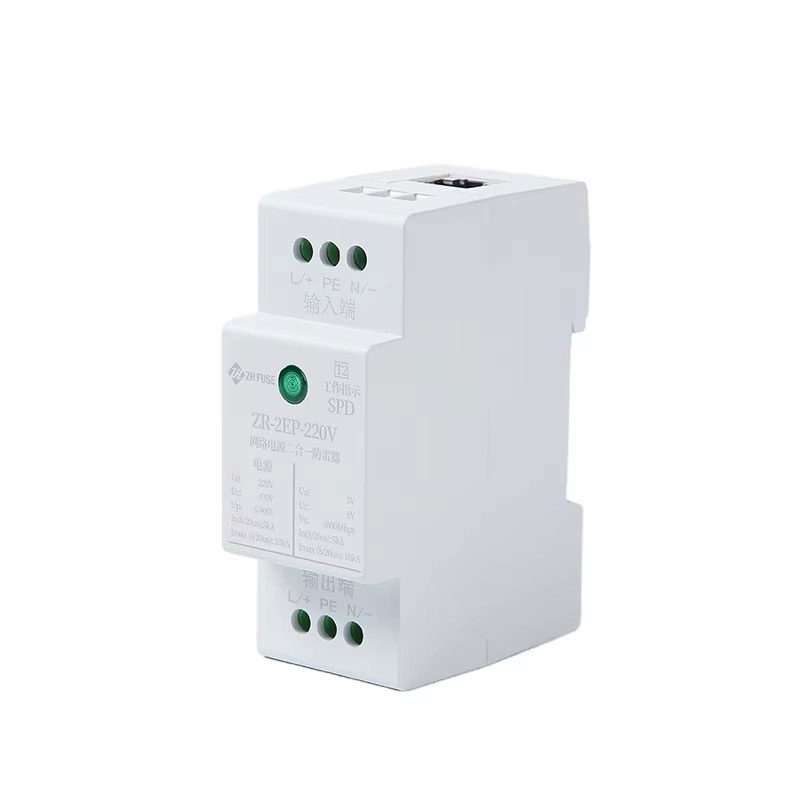
220-385V Surge Protective Device
Surge protective device (SPD) is a device used to protect electrical equipment and systems from overvoltage transients. 220-385v surge protective device can quickly limit the overvoltage to a safe range in case of transient overvoltage caused by lightning stroke, switch operation, start and stop of large electrical equipment in the power system, so as to protect the safe operation of electrical equipment.
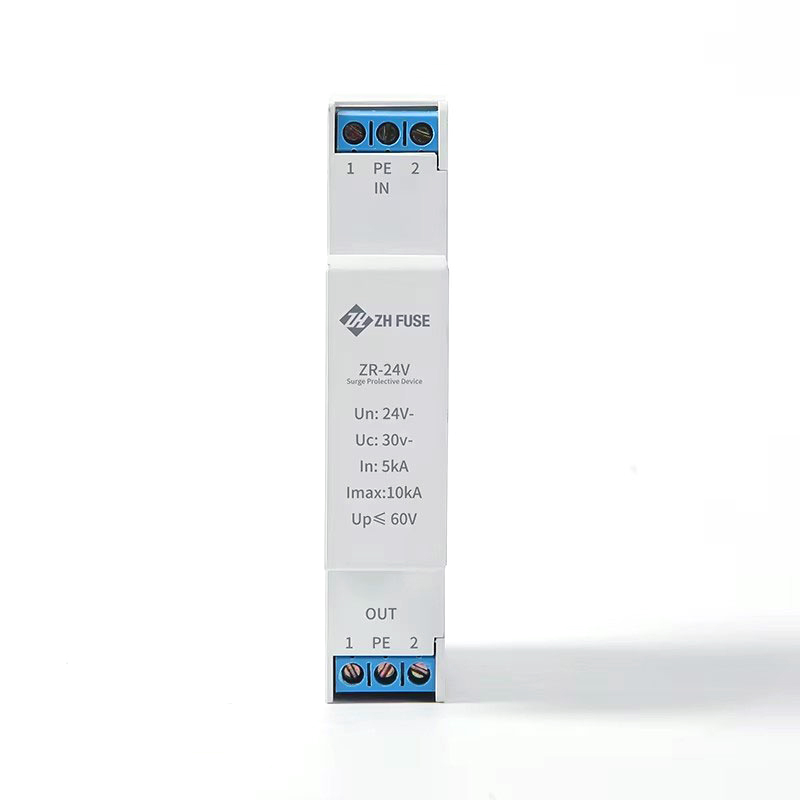
24V 10A Insulation Surge Protection
Zhenghao 24V 10A Insulation Surge Protection is lightning protection in the field of process measurement and control, and provides signal protection for field equipment such as transmitter, thermal resistance, solenoid valve, flowmeter, valve positioner, frequency converter, etc.
Surge protection for i/o of control systems such as AI, Ao, Di, do and Pi of 24V 10A Insulation Surge Protection PLC. DCS。 It is widely used in petroleum, chemical industry, natural gas, environmental protection, new energy and other industries.
Surge protection for i/o of control systems such as AI, Ao, Di, do and Pi of 24V 10A Insulation Surge Protection PLC. DCS。 It is widely used in petroleum, chemical industry, natural gas, environmental protection, new energy and other industries.
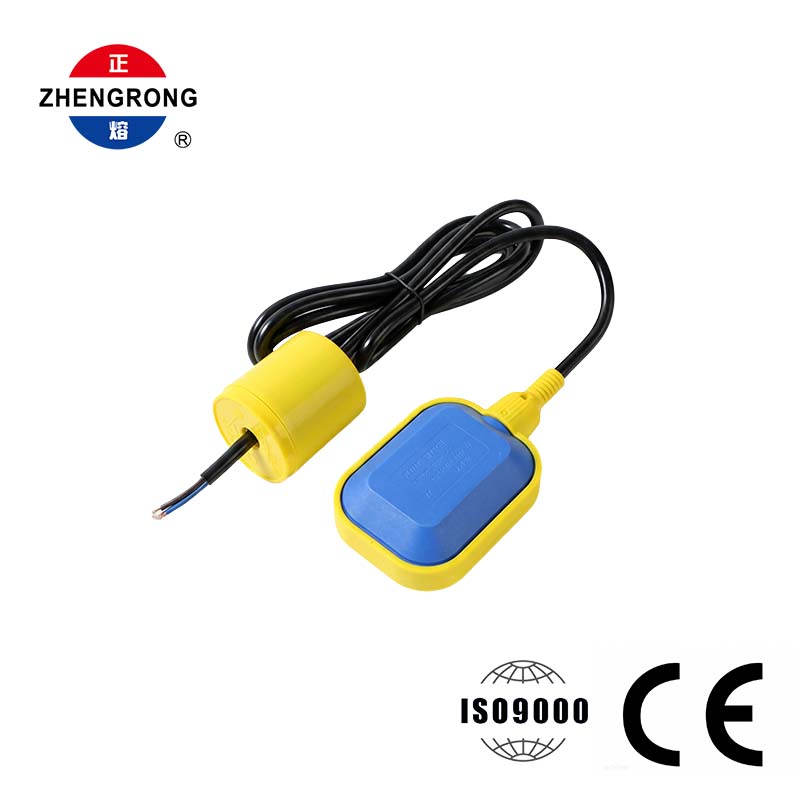
Float Switch Water Level 10A 250V Submersible IP68 for Water Pump Tank
Cable type Water Level Float Switch, with yellow float shell and blue nameplate, equipped with adjustable heavy hammer and three core cable, mechanical float flip can directly turn on and off the water pump, without power supply or controller, and can be hung and used immediately.
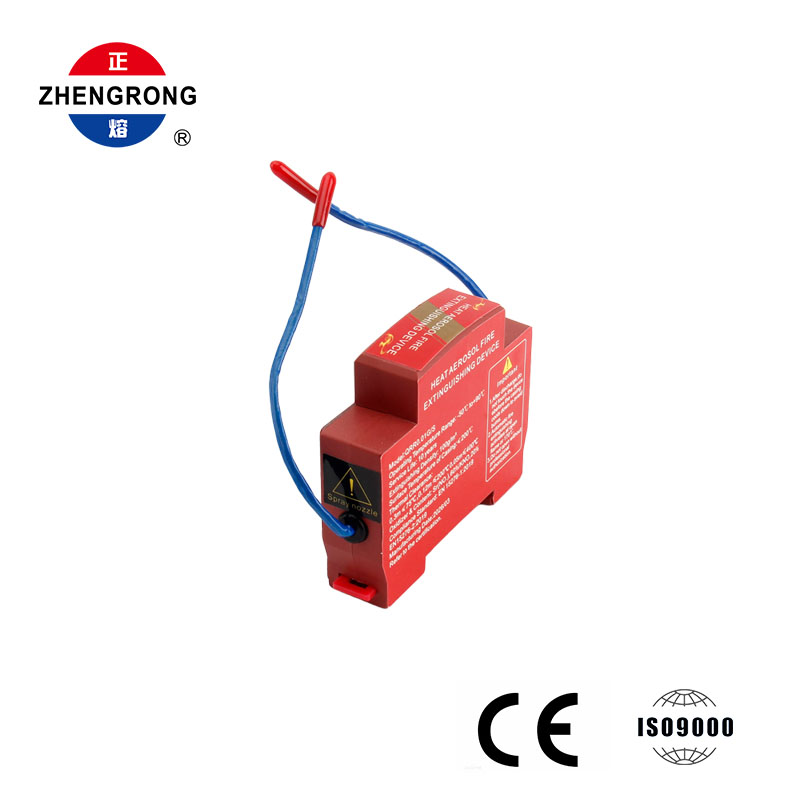
DIN Rail Aerosol Fire Suppression Device | Automatic Heat Extinguisher QRR0.01G/S
Compact DIN rail aerosol fire suppression device QRR0.01G/S. Thermal self-activating at 170°C, discharges in ≤6s. Protects electrical cabinets, battery racks & enclosures up to 0.06m³. 10-year maintenance-free.
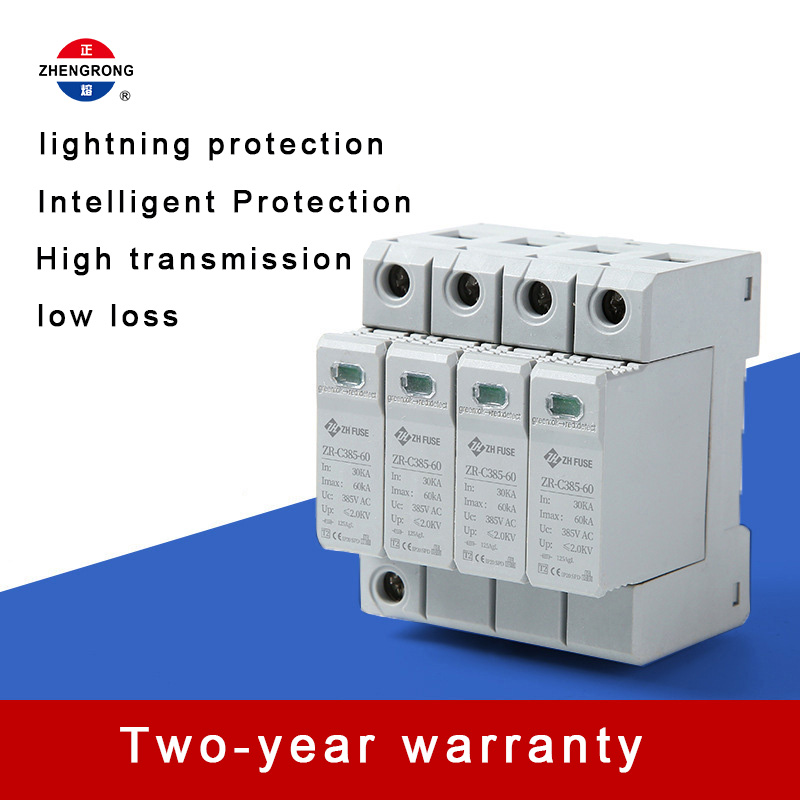
ZR-C385-60 4P AC Surge Protective Device (SPD)
The ZR-C385-60 4P AC Surge Protective Device (SPD) is a Class II (Type 2) surge arrester designed for 220V/385V AC power systems. With a maximum discharge current (Imax) of 60kA and ultra-fast response time (<25ns), it provides robust protection against lightning-induced surges and switching overvoltages. Featuring a PC flame-retardant housing and visual status indication (green=normal, red=fault), it ensures reliable operation and safety for industrial, commercial, and residential power distribution systems.
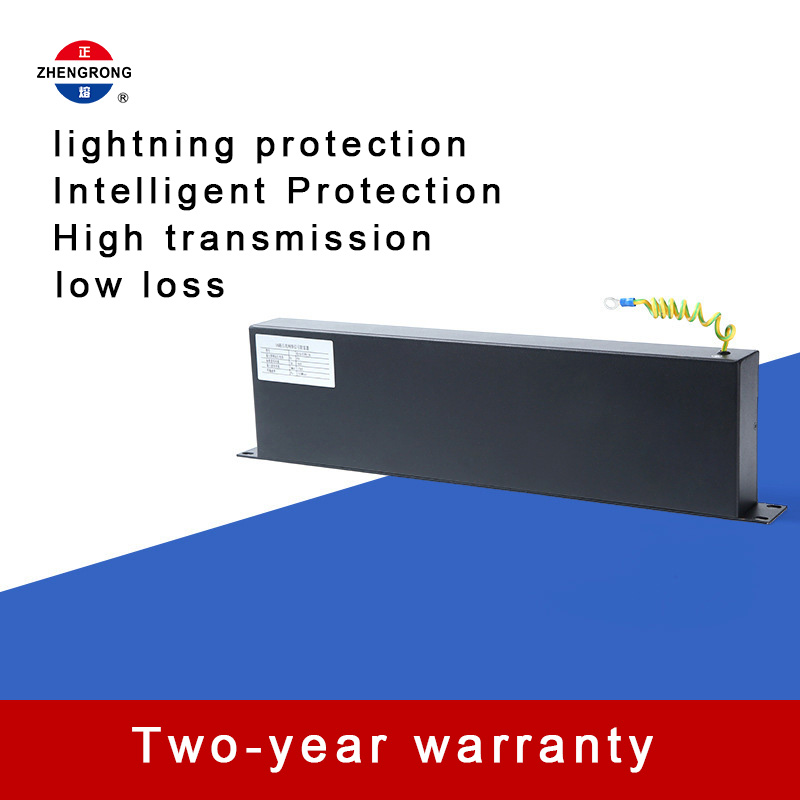
24-Port Gigabit Ethernet Surge Protector
This 24-port Gigabit Ethernet surge protector is a professional centralized lightning protection device designed for high-density network systems. It integrates 24 independent RJ45 interfaces, supporting 10/100/1000Mbps high-speed data transmission with ultra-low insertion loss. With reliable surge current discharge capacity, it provides comprehensive lightning and transient overvoltage protection for PoE network devices such as IP cameras, network switches, and wireless access points, ensuring stable signal transmission while safeguarding critical network infrastructure.
As a professional Surge Protection manufacturer and supplier in China, we have our own factory and all products made in China. You can leave us a message.