News
Why Is 500A gPV 1500VDC Fuse Core Essential for Modern Solar Power Protection?
As photovoltaic systems continue to scale toward higher voltages and larger current capacities, reliable circuit protection has become more critical than ever. The 500A gPV 1500VDC Fuse core is specifically engineered for demanding solar applications where stability, safety, and performance cannot be compromised. This comprehensive guide explores how these fuse cores work, why they matter, and how to choose the right solution for commercial and industrial photovoltaic systems.
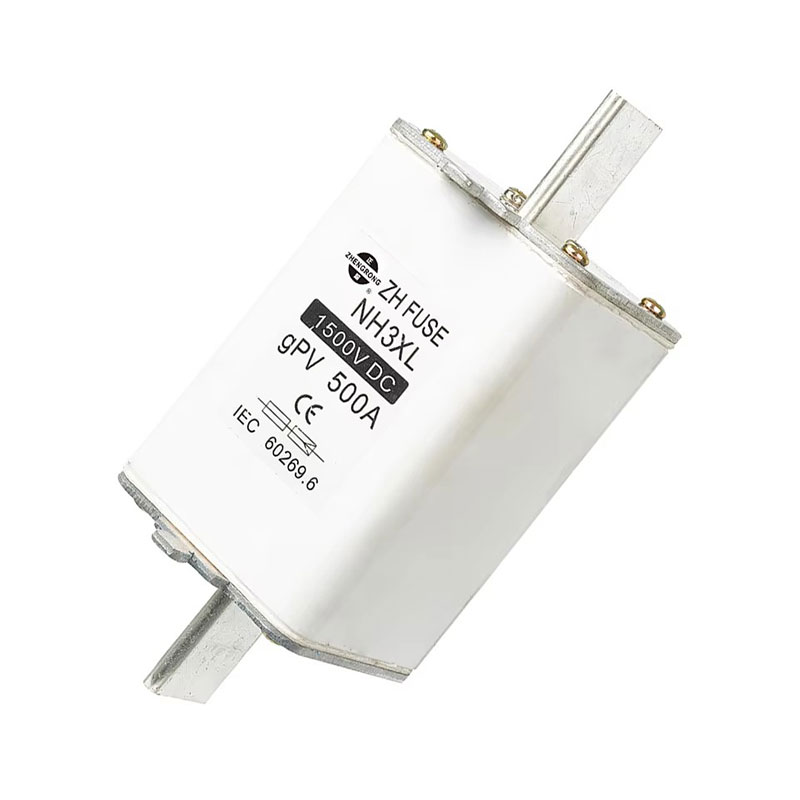
Table of Contents
- 1. Understanding the 500A gPV 1500VDC Fuse Core
- 2. Why DC Protection Is Different from AC Protection
- 3. Main Features of 500A gPV 1500VDC Fuse Cores
- 4. Applications in Modern Solar Energy Systems
- 5. Common Problems in PV Protection Systems
- 6. How Fuse Cores Improve System Reliability
- 7. Technical Parameters Buyers Should Understand
- 8. Comparing gPV Fuse Cores with Traditional Fuse Solutions
- 9. Installation Considerations and Best Practices
- 10. How to Select the Right 500A gPV 1500VDC Fuse Core
- 11. Manufacturing Standards and Quality Assurance
- 12. Industry Trends in High-Voltage Solar Protection
- 13. Frequently Asked Questions
- 14. Final Thoughts
1. Understanding the 500A gPV 1500VDC Fuse Core
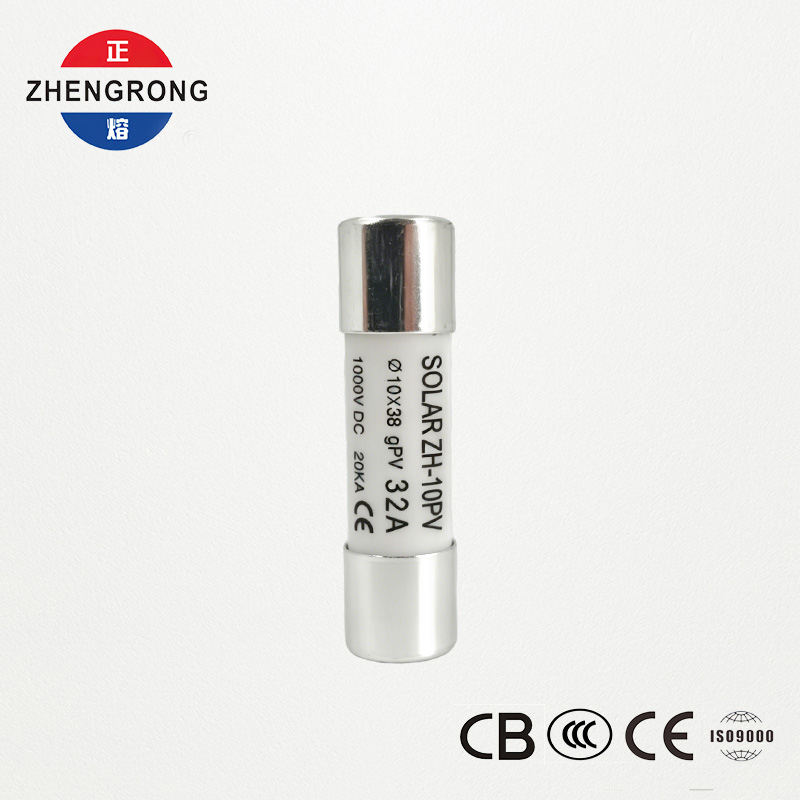
A 500A gPV 1500VDC Fuse core is a specialized photovoltaic protection component designed for high-voltage direct current applications. Unlike standard industrial fuses, gPV fuse cores are optimized specifically for solar systems where continuous exposure to fluctuating DC loads, harsh environmental conditions, and fault currents is common.
The “gPV” classification refers to a full-range DC fuse specifically developed for photovoltaic protection. These fuse cores are capable of interrupting overloads and short-circuit currents within solar arrays, combiner boxes, battery energy storage systems, and inverter circuits.
Key Purpose: Protect photovoltaic systems from dangerous overcurrents while maintaining operational continuity and minimizing downtime.
The 1500VDC rating is especially important because modern utility-scale solar installations increasingly operate at higher DC voltages to improve efficiency and reduce power losses.
| Specification | Description |
|---|---|
| Current Rating | 500 Amps |
| Voltage Rating | 1500VDC |
| Application | Photovoltaic Systems |
| Protection Type | Overload & Short Circuit |
| Fuse Category | gPV Full Range Protection |
2. Why DC Protection Is Different from AC Protection
One of the biggest misunderstandings in power system design is assuming AC protection devices can adequately protect DC systems. In reality, direct current behaves very differently from alternating current.
AC current naturally crosses zero multiple times per second, which helps extinguish electrical arcs during fault interruption. DC current flows continuously without zero-crossing points, making arc extinction significantly more difficult.
DC arcs are more persistent, hotter, and potentially more destructive than AC arcs.
This is why photovoltaic systems require specialized fuse technology capable of safely interrupting DC fault currents under extreme conditions.
- Higher arc persistence
- Longer interruption time requirements
- Greater thermal stress
- More demanding insulation requirements
- Continuous current flow challenges
A properly engineered 500A gPV 1500VDC Fuse core incorporates advanced arc-quenching materials and precision-designed internal structures to safely manage these conditions.
3. Main Features of 500A gPV 1500VDC Fuse Cores
Modern fuse cores designed for photovoltaic applications include several advanced engineering characteristics that distinguish them from ordinary fuse solutions.
| Feature | Benefit |
|---|---|
| High DC Voltage Capacity | Supports modern 1500V solar systems |
| Fast Fault Interruption | Reduces equipment damage |
| Low Power Loss | Improves energy efficiency |
| Excellent Thermal Stability | Maintains reliable operation in harsh climates |
| High Breaking Capacity | Handles severe fault currents safely |
| Long Service Life | Minimizes maintenance costs |
Many solar projects today operate in deserts, coastal environments, or remote industrial regions. Fuse cores must therefore withstand:
- Extreme heat
- Rapid temperature fluctuations
- Humidity and condensation
- UV exposure
- Dust contamination
- Mechanical vibration
High-quality products from manufacturers like Zhejiang Zhenghao Fuse Co., Ltd. are engineered to maintain stable performance even in these demanding environments.
4. Applications in Modern Solar Energy Systems
The 500A gPV 1500VDC Fuse core plays a critical role across multiple areas of renewable energy infrastructure.
| Application Area | Function |
|---|---|
| PV Combiner Boxes | Protects string circuits from overcurrent |
| Solar Inverters | Prevents catastrophic inverter failures |
| Battery Energy Storage | Ensures stable DC protection |
| Industrial Solar Farms | Supports high-capacity current management |
| EV Charging Infrastructure | Protects DC fast charging circuits |
As global investment in renewable energy increases, large-scale solar installations are becoming more complex and powerful. This makes reliable fuse protection absolutely essential.
5. Common Problems in PV Protection Systems
Many system failures in photovoltaic projects can be traced back to inadequate protection design or low-quality components.
Some of the most common customer pain points include:
- Fuse overheating
- Unexpected nuisance trips
- Insufficient breaking capacity
- Arc flash hazards
- High replacement frequency
- Downtime losses
- Inverter damage
- Battery system failures
Low-grade fuse cores often fail to maintain consistent performance under prolonged thermal stress. This can result in gradual degradation, unstable resistance values, and eventual protection failure.
In utility-scale solar systems, even a short interruption can lead to major revenue losses and operational delays.
Investing in reliable protection components is therefore not simply a technical decision—it is also a financial risk management strategy.
6. How Fuse Cores Improve System Reliability
A premium-quality fuse core significantly improves overall photovoltaic system reliability by ensuring rapid and predictable protection during fault conditions.
When a short circuit occurs, the fuse core reacts instantly by melting the internal element and interrupting current flow before critical components can be damaged.
| Protection Advantage | System Impact |
|---|---|
| Fast Response Time | Reduces fire risk |
| Stable Performance | Minimizes maintenance interruptions |
| Accurate Current Protection | Protects sensitive electronics |
| High Durability | Extends system lifespan |
Reliable fuse cores also support safer maintenance procedures by isolating faults before technicians interact with damaged circuits.
7. Technical Parameters Buyers Should Understand
Selecting the correct fuse core requires understanding several important technical specifications.
| Parameter | Importance |
|---|---|
| Rated Current | Determines normal operating capacity |
| Rated Voltage | Maximum safe operating voltage |
| Breaking Capacity | Maximum fault current interruption ability |
| Time-Current Curve | Defines protection speed characteristics |
| Power Dissipation | Affects thermal efficiency |
| Ambient Temperature Range | Determines environmental suitability |
Many buyers focus only on current rating while ignoring breaking capacity and thermal characteristics. This can lead to severe safety problems.
A well-designed 500A gPV 1500VDC Fuse core should balance:
- Low operating temperature
- High interruption reliability
- Consistent electrical resistance
- Stable long-term performance
8. Comparing gPV Fuse Cores with Traditional Fuse Solutions
| Feature | gPV Fuse Core | Traditional Industrial Fuse |
|---|---|---|
| Designed for DC | Yes | Limited |
| Photovoltaic Certification | Yes | No |
| High Voltage Support | Up to 1500VDC | Usually Lower |
| Arc Suppression | Advanced | Basic |
| Solar System Compatibility | Excellent | Moderate |
Traditional fuse technologies are often unsuitable for large photovoltaic systems because they were originally designed for general industrial applications rather than renewable energy infrastructure.
9. Installation Considerations and Best Practices
Proper installation is essential for ensuring long-term fuse performance.
- Verify voltage compatibility before installation
- Ensure proper torque specifications
- Avoid loose terminal connections
- Maintain sufficient ventilation
- Use compatible fuse holders
- Inspect for signs of corrosion periodically
Incorrect installation can increase resistance and heat generation, eventually leading to premature fuse aging or failure.
Always follow manufacturer guidelines and electrical safety standards during installation and maintenance.
10. How to Select the Right 500A gPV 1500VDC Fuse Core
Choosing the right fuse core depends on several operational factors.
| Selection Factor | Why It Matters |
|---|---|
| System Voltage | Must match 1500VDC applications |
| Load Current | Prevents nuisance tripping |
| Environmental Conditions | Ensures long-term durability |
| Fault Current Levels | Determines interruption capability |
| Compliance Requirements | Supports certification standards |
When evaluating suppliers, buyers should consider:
- Manufacturing experience
- Testing procedures
- Certification standards
- Quality control systems
- Technical support capabilities
- Production consistency
Zhejiang Zhenghao Fuse Co., Ltd. focuses on advanced fuse protection solutions for demanding electrical applications and renewable energy systems.
11. Manufacturing Standards and Quality Assurance
Reliable fuse cores undergo strict testing throughout the production process.
Key testing procedures typically include:
- Temperature rise testing
- Short-circuit interruption testing
- Mechanical durability testing
- Environmental resistance testing
- Electrical resistance consistency checks
High-end manufacturers also utilize automated production equipment and precision inspection systems to maintain stable product quality.
Consistent manufacturing quality is essential because even minor dimensional variations can affect fuse performance.
12. Industry Trends in High-Voltage Solar Protection
The photovoltaic industry is rapidly evolving toward larger and more powerful systems.
Several important trends are shaping the future of fuse technology:
- Increasing adoption of 1500VDC systems
- Growth of battery energy storage systems
- Expansion of utility-scale solar farms
- Higher inverter power densities
- Smart monitoring integration
- Demand for lower maintenance solutions
As solar installations continue to scale, protection devices must become more intelligent, efficient, and reliable.
Future fuse technologies may include:
- Integrated temperature monitoring
- Enhanced arc suppression materials
- Compact high-capacity designs
- Improved thermal management systems
13. Frequently Asked Questions
Q1: What does gPV mean in fuse terminology?
gPV refers to full-range photovoltaic fuse protection designed specifically for solar power systems.
Q2: Why is 1500VDC becoming more popular?
1500VDC systems reduce cable losses, improve efficiency, and lower installation costs for large solar projects.
Q3: Can AC fuses be used in DC solar applications?
No. AC fuses are generally unsuitable for high-voltage DC applications because they cannot reliably extinguish DC arcs.
Q4: What causes fuse overheating?
Common causes include poor connections, excessive current, inadequate ventilation, and low-quality fuse materials.
Q5: How long does a gPV fuse core typically last?
With proper installation and operation, high-quality fuse cores can provide many years of reliable service.
Q6: Why is breaking capacity important?
Breaking capacity determines whether the fuse can safely interrupt severe fault currents without exploding or causing additional hazards.
Q7: Are 500A fuse cores suitable for battery energy storage systems?
Yes. Many high-capacity battery storage applications require reliable DC protection solutions with high current ratings.
14. Final Thoughts
The 500A gPV 1500VDC Fuse core has become an essential protection component in modern photovoltaic infrastructure. As renewable energy systems continue to grow in size and complexity, reliable DC protection is no longer optional—it is fundamental to system safety, efficiency, and long-term operational stability.
Choosing high-quality fuse solutions helps reduce downtime, protect expensive equipment, improve safety, and support stable energy production over the lifetime of the system.
Manufacturers such as Zhejiang Zhenghao Fuse Co., Ltd. continue to advance fuse technology to meet the demanding requirements of modern renewable energy applications.
Need Reliable Solar Protection Solutions?
Looking for high-performance 500A gPV 1500VDC Fuse core products for your photovoltaic projects? Zhejiang Zhenghao Fuse Co., Ltd. provides advanced fuse protection solutions designed for demanding renewable energy systems worldwide.
Contact us today to discuss your project requirements and discover reliable protection solutions for your solar energy applications.
Related News
- What Safety & Performance Benefits Does IEC 60269 415V High Current Fuse Deliver For Industrial Power Distribution Systems?
- Short News: CCC Mandatory Certification Officially Implemented for Fuse Industry
- Why 1000VDC Solar PV Fuse Holder Matters for Reliable Solar Power Systems?
- Why Is a Photovoltaic Fuse Essential for Solar Power Systems?
- Why Your Solar Array's Safety Hinges on Choosing the Right Photovoltaic DC Fuse
- What Makes Float Switches the Key to Smarter and Safer Liquid Level Control in Modern Industries?
Leave me a message